What’s in Lafayette County’s water?
Know your supplier. Understand your water. Find your system.
Start with the water system serving your home in Lafayette County. This guide connects you with Florida Department of Health in Lafayette County and explains how to use local reports when considering filtration and optional softening. Source
Email report
Email this water report
Keep a copy for yourself, or share it with someone else.
Email sharing is coming soon. This preview does not send or save email addresses.
Choose the report for your utility
The local sources below include Florida Department of Health in Lafayette County. This is a starting list, not a map of every utility service area in Lafayette County. If a different supplier appears on your bill, request that supplier’s report.
Match the utility and system on your water bill. A ZIP code or mailing address does not establish service boundaries.
Results are specific to the named water system and testing period. Regional hardness estimates are labeled separately. Missing data is not a non-detection. Check your utility’s latest report and current notices.
Your local water results
Explore selected provider records from MyTapWater, then use the official utility links to check the latest report for the system on your bill.
A closer look at your local water
We have not retrieved a residential utility report from MyTapWater for this county. The official local sources below can help you find your provider’s report. This gap does not mean testing found no contaminants.
Official utility reports
Local drinking water guidance
This is local public-health guidance, not a utility’s consumer confidence report. Ask the provider on your bill for your system’s annual report; private wells need their own test.
Open official sourceMore about your local water
When you open the report, look for these sections. These are reading prompts, not a list of substances detected in your home.
Disinfection and byproducts
Look for the disinfectant used and any reported chlorine or chloramine residuals, total trihalomethanes (TTHM) and haloacetic acids (HAA5). Keep sample dates and the report’s units with each result.
Metals and minerals
Look for lead and copper tap-sampling results, and any reported arsenic, nitrate, sodium or other minerals. A tap-sampling percentile describes a group of sampled homes, not the result at your own faucet.
PFAS and additional monitoring
Some utilities publish PFAS monitoring separately. Check the sample year and detection or reporting limits. “Not detected” means below a stated limit, not a measured zero.
Hardness and home testing
Hardness may appear in a separate utility FAQ or water chemistry sheet. Use a finished-water figure for your system, then confirm your incoming water before selecting optional softening.
Hardness, with the right context.
Start with your filtration needs. Add a softener only if confirmed hardness or scale makes it useful for your home.
A verified hardness figure is not available in this summary. You can still consider a whole-home filter, with a water softener optional after you confirm hardness.
Use my water and home detailsNot confirmed
Softening is an optional choice for scale and water feel.
A filter, a softener, or both?
Choose the job you need done. Size comes next, based on water use and peak flow.
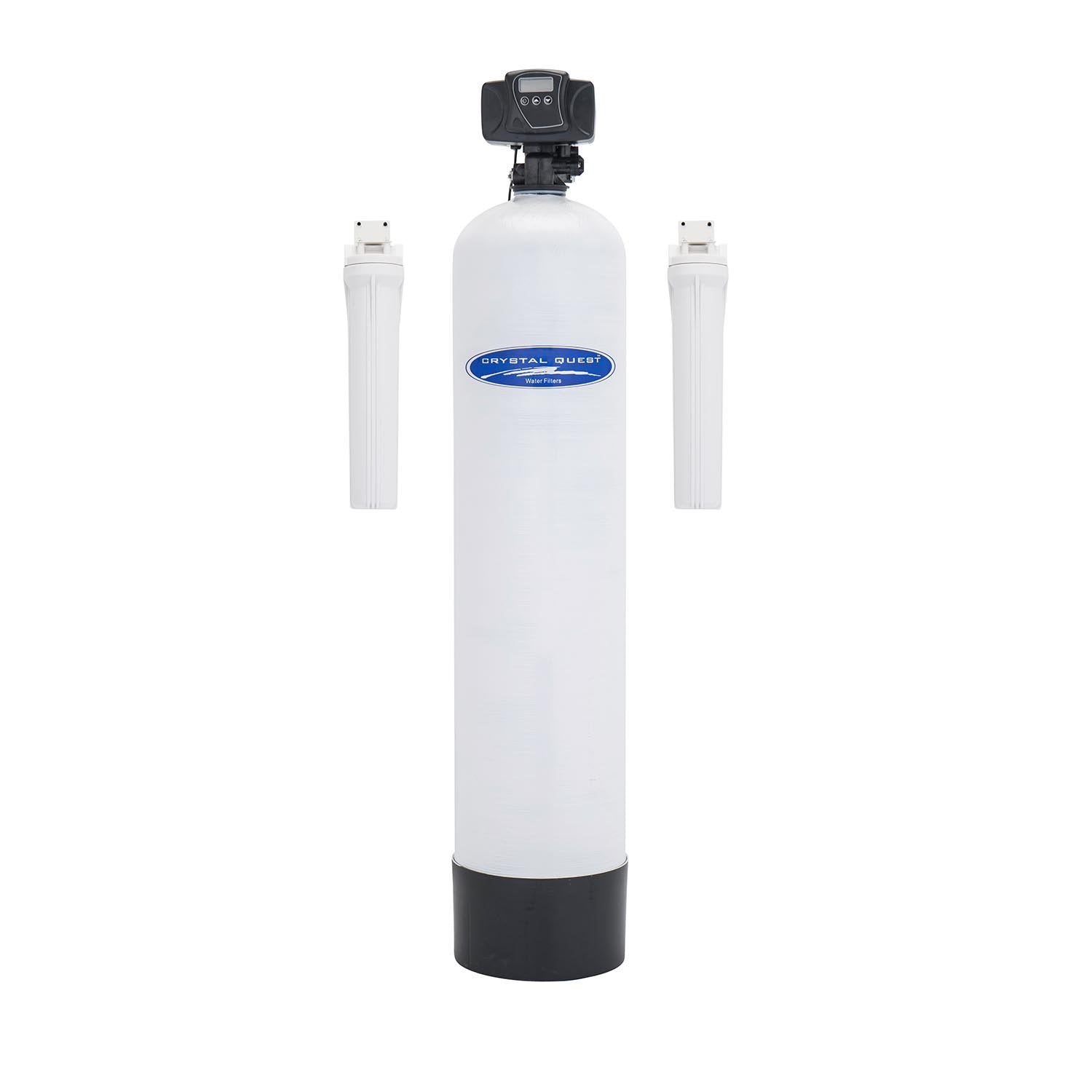
Whole-home filter
For whole-home filtration goals. Match the exact system’s performance claims to the substances you want to address.
A filter alone does not replace a hardness-removing softener.
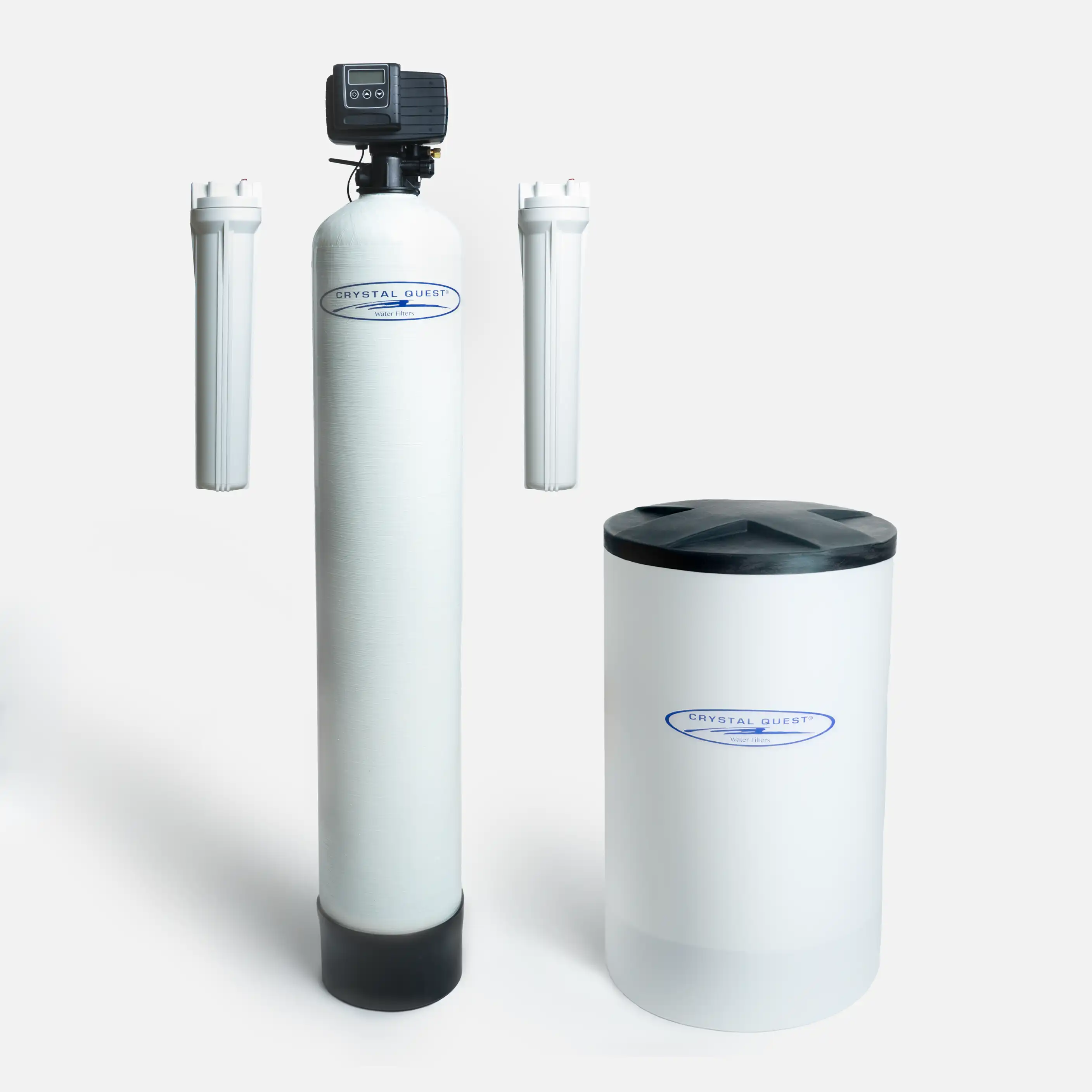
Whole-home softener
Optional for hard-water scale and water feel. A softener removes hardness minerals; it is not a general contaminant-removal system.
A softener does not replace a filter selected for a specific contaminant.
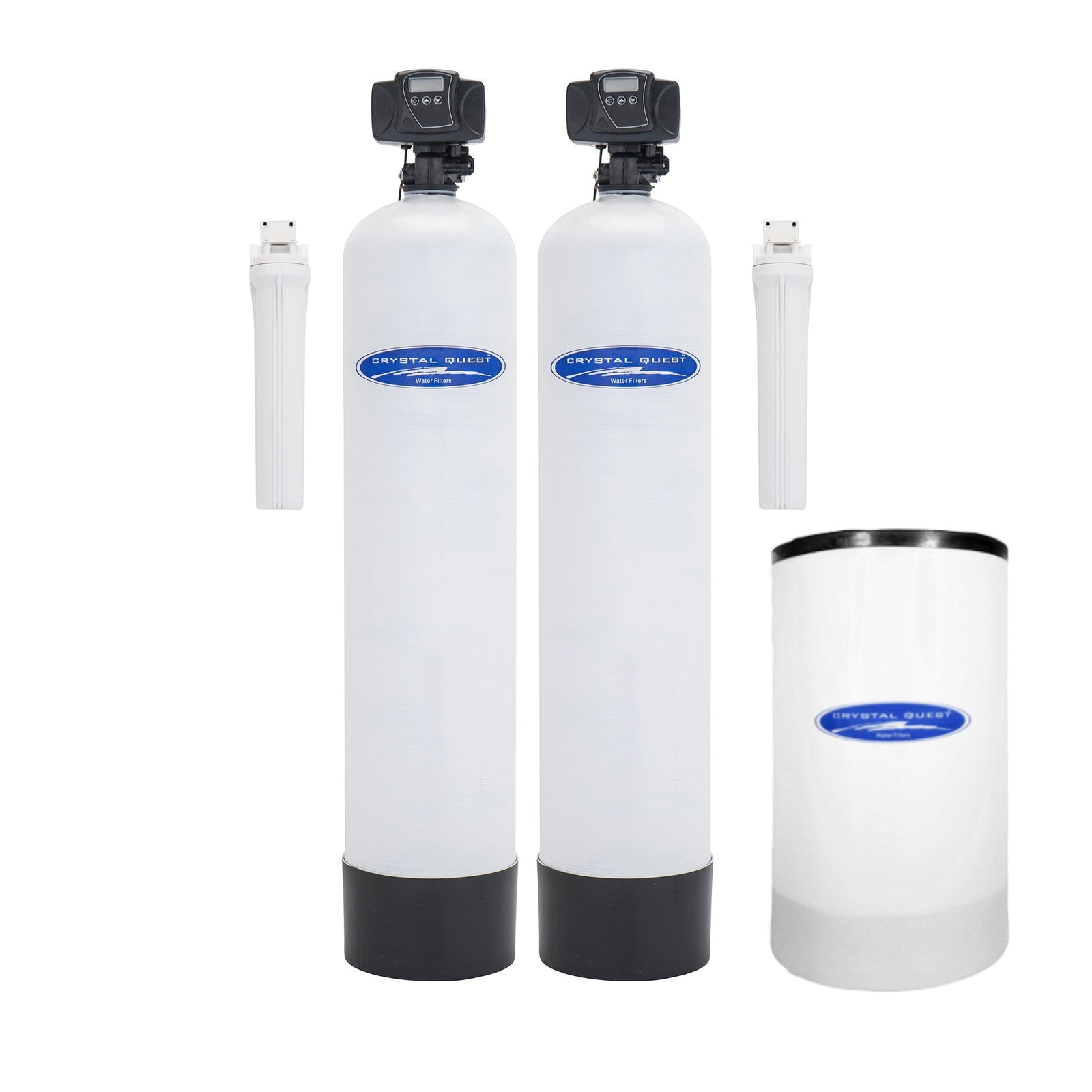
Filter + softener
Choose both when filtration and hardness are separate priorities. You can start with the filter in the home-matching flow.
Both units require maintenance, space and a suitable installation.
Proposed pricing. Installation, shipping and tax are additional. Purchases are paused during the pilot. You hire and pay your plumber directly.
For drinking water alone, a suitable kitchen-tap filter may be enough. Keep working equipment that already meets your goal. Wells, shared plumbing and unusually high demand need a separate assessment. No Clearhouse system is claimed to remove every substance in this report. Source
Choose equipment using model-specific performance evidence and maintain it as instructed. Removing disinfectant throughout a home also changes microbial protection in the plumbing. Source
Your water report is the start. Your home decides the fit.
A few household details help narrow the size. Your street address is optional, and “I’m not sure” is always an option.
- Confirm the name on your water bill.
- Share bathrooms, household size and existing equipment.
- Choose a system. Hire your own plumber.
Want help choosing?
Send your water goals to Clearhouse for a fit review.
Common questions
Which water report applies to my Lafayette County home?
The local sources below include Florida Department of Health in Lafayette County. This is a starting list, not a map of every utility service area in Lafayette County. If a different supplier appears on your bill, request that supplier’s report.
Where do I get the full water report?
Check the utility name and water system on your bill, then use the matching official link above. If your provider is not listed, ask it for its consumer confidence report. A ZIP code or county name alone cannot identify your water system.
Is a water softener required?
No. Softening is optional and is a separate decision from filtration. Use a home hardness test and your preferences about scale and water feel; your plumber confirms equipment size and settings.
Does this report test my home?
No. Utility reports describe particular systems and sample periods. Plumbing, service lines and treatment already in a home can change the result at the tap.
What if my home uses a private well?
A public utility report does not describe a private well. Use a test from your own well and discuss the results with your local health department before choosing treatment.
Will one whole-home filter remove everything listed?
No. Select equipment by its specific tested or certified reduction claims and rated flow. A long contaminant list is not evidence that a particular system removes every item.
Sources & methodology
We summarize selected provider records from MyTapWater and link official utility sources. Test dates are retained. Regional hardness estimates are clearly separated from utility guidance. Missing data is not treated as a non-detection, and one provider’s results are not applied to every home in a county.
Clearhouse sells water treatment equipment and is not a utility or testing laboratory. Report presence alone does not establish a health risk, a need for treatment or a product’s removal performance.